
To write about something so emotionally raw and complex feels nearly impossible. The images and stories from Palestine these last few weeks have been a heavy weight on my heart, gnawing at the edges of my mind with a persistent, haunting presence. But this isn't about Palestine alone, it's about something larger, something woven into the very fabric of our human experience.
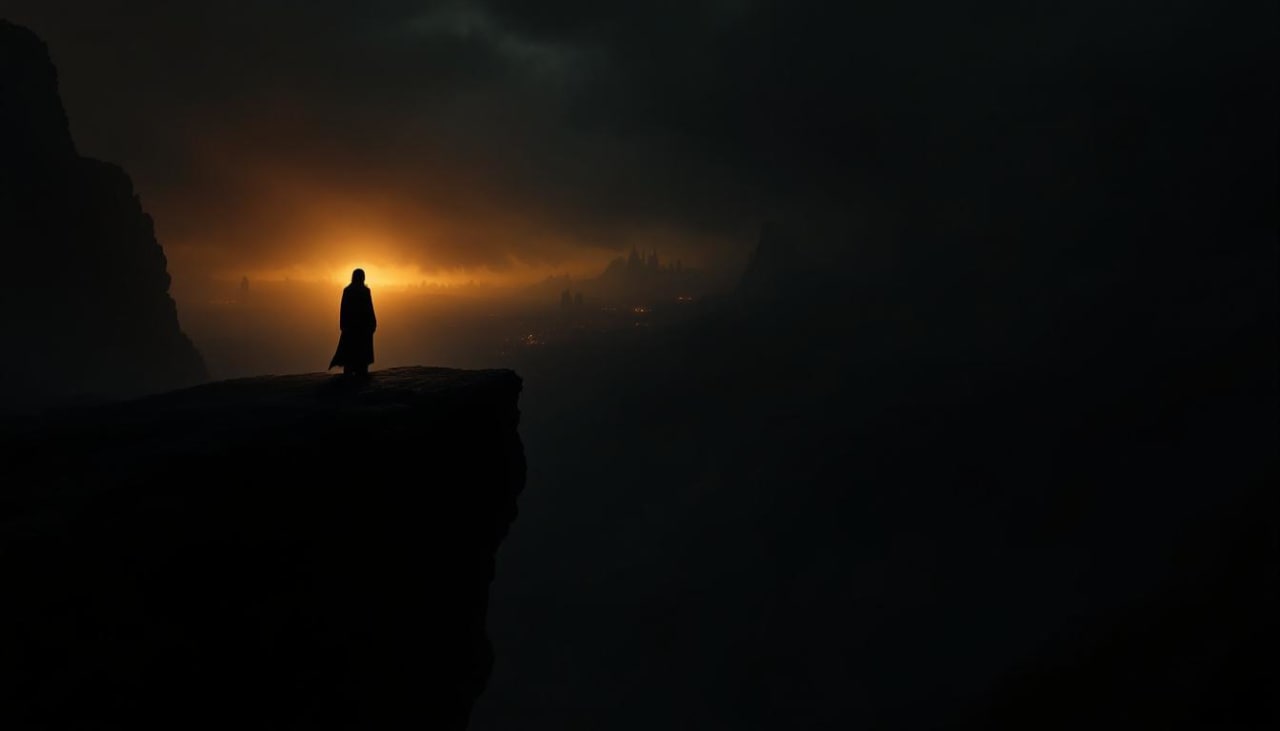
There are horrors in this world, undeniable and ever-present. They ripple through our collective consciousness, even when we’re not fully aware of them. They’re those terrifying truths we often try to ignore: the constant, churning cycle of violence and despair happening somewhere across the globe, the seemingly insurmountable suffering that escapes resolution. It's overwhelming, an abyss we peek into at great cost.
On this tightrope of awareness, I find myself wrestling with familiar questions each time a new tragedy unfolds: How can this be happening? Why isn't anyone stopping it? Why am I not doing anything about it? It's an exhausting loop of self-inquisition, a cycle that leads to a profound sense of impotence, a soul-deep paralysis that grinds away at our empathy.
In moments like these, I can’t help but think of the raucous arenas of professional sports. Here we are, immersed in the spectacle, cheering on elite warriors of physical prowess as they battle it out in lucrative games. It feels absurdly distant from the cries of children in war-torn streets. This is not a critique of sports themselves, which have their own place in our lives, but an observation of the juxtaposition, it’s as if we’re transfixed by faux heroism while desperate for a real-life savior to materialize.
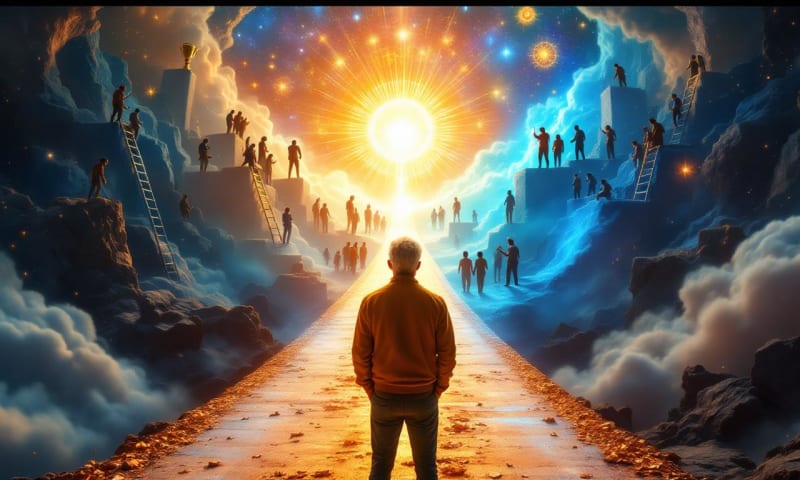
Movies, TV shows—these are the narratives where we often outsource our heroism. Fictional worlds where morality and resolution are neatly wrapped in sixty minutes or ninety-second acts. We end up yearning for a caped crusader, a noble leader, someone who possesses both the power and moral compass to step in and save us from our own chaos. But in reality, no such figure exists, and the older I get, the more futile it seems to wait for one.
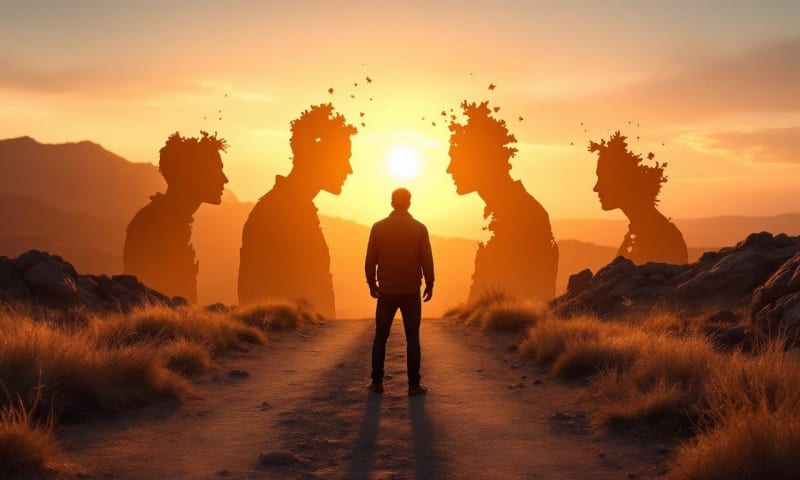
And so I'm left with an excruciating choice among three paths, each as unsatisfactory as the next:
- I could keep staring into the abyss, letting it corrode my spirit until I’m either consumed by despair or numbed to it. This path is one of potential self-destruction, where my empathy becomes a form of torture.
- There’s the option to turn away, to pretend not to see, to live in blissful ignorance—the daily routine whispering all is well. But this is like wearing blinders, a willful stupidity I can’t stomach.
- The third, to say “it’s in God’s hands” and abdicate all responsibility. I could choose spiritual resignation, consoling myself with the idea that I’m powerless by design. Perhaps it’s the most personally absolving option, but it's one I can't fully reconcile.
I don’t have a miraculous fourth path, some epiphany wrapped in clarity. What I do have is a singular refusal: I will not look away. It’s not a solution, but it’s a start, a stubborn intent to confront the truth head-on, no matter how bleak it may be.
This commitment, however, requires a delicate balance—staying open to the pain without being swallowed by it. It's a challenge to remain aware yet not overwhelmed, engaged but not incapacitated by an endless barrage of suffering.
In this precarious stance, I find myself reaching out to something greater than me, hoping for intervention not in action, but in state of mind:
- First, I ask for wisdom—to see evil for what it is without letting it consume the good within me. It’s not about being desensitized but learning to navigate the world’s darkness with eyes trained to also find light.
- Second, I seek grace, that I might respond to the horror with love rather than fear or anger. This means allowing compassion to guide my actions, however small or seemingly insignificant, because love and empathy are radical acts in their own right.
- Lastly, I request strength—not the kind that braces walls or swings fists, but the softer kind that holds space for hope amidst despair. Strength to maintain open arms, ready to embrace the messiness of our existence, with all its chaos and beauty.
That’s all I’ve got—a messy, unresolved grappling with what it means to stay human in a world that often challenges our humanity. There are no easy solutions, no tidy resolutions to be had. It's about the resolve to persist in the struggle, the refusal to disengage.
Continuing to bear witness, asking difficult questions, and maintaining an unwavering commitment to awareness—even when it hurts—that’s where I reside now. It’s hard and it’s uncomfortable, but it’s honest, and maybe that's the smallest beginning of forging a different path amidst the daunting choices before us.